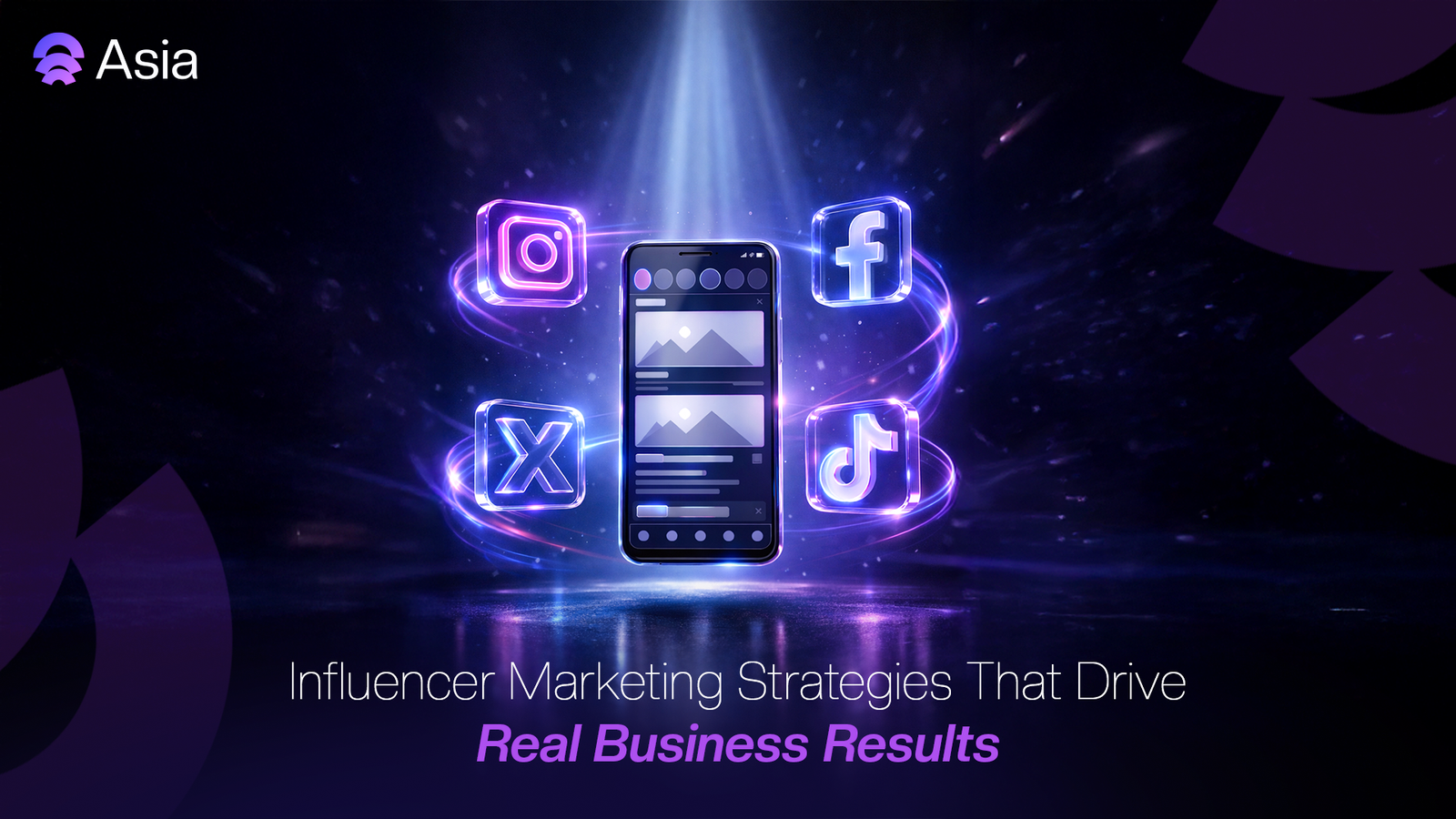
Influencer marketing is no longer a buzzword or an experimental tactic; it has become a core pillar of modern digital marketing strategies. What started as simple brand shoutouts has evolved into a sophisticated performance-driven channel capable of generating awareness, trust, engagement, and measurable revenue.
Today, brands do not collaborate with influencers just to “look popular” or gain likes. They invest in influencer marketing to achieve real business results: higher conversion rates, improved return on investment (ROI), stronger brand credibility, and long-term customer loyalty.
However, despite its potential, many influencer campaigns fail to deliver meaningful outcomes. The reason is simple: success does not come from follower counts or viral moments; it comes from strategy, alignment, and execution.
In this article, we explore influencer marketing in depth, break down the strategies that actually work, and explain how brands can turn influencer partnerships into a sustainable growth engine.
Understanding Influencer Marketing in the Modern Digital Landscape
Influencer marketing is the practice of partnering with individuals who have built trust, authority, and credibility within a specific audience on platforms such as Instagram, TikTok, YouTube, X (Twitter), and LinkedIn.
Unlike traditional advertising, influencer marketing relies on peer-to-peer trust. Audiences follow influencers because they relate to them, value their opinions, and see them as authentic voices rather than corporate messengers. This trust makes influencer recommendations significantly more persuasive than branded ads.
Why Influencer Marketing Works
- Influencers humanize brands
- Content feels native to the platform
- Recommendations feel personal, not promotional
- Audiences are more receptive to storytelling than sales messaging
When executed correctly, influencer marketing bridges the gap between brands and consumers in a way few other channels can.
Types of Influencers and Their Strategic Value
Not all influencers serve the same purpose. Understanding influencer tiers is essential for aligning influencer marketing campaigns with business goals.
Nano-Influencers (1K – 10K Followers)
- Highly niche and community-driven
- Strong trust and high engagement rates
- Ideal for local brands, startups, and trust-building campaigns
Micro-Influencers (10K – 100K Followers)
- Balanced reach and engagement
- Strong influence within specific industries or interests
- Excellent for conversions and community building
Macro-Influencers (100K – 1M Followers)
- Broad reach and professional content quality
- Suitable for large awareness campaigns
- Moderate engagement compared to smaller creators
Celebrity Influencers (1M+ Followers)
- Massive visibility and cultural impact
- Best for brand positioning and prestige
- High cost and lower personalization
The most effective strategies often combine multiple influencer tiers rather than relying on one category alone.
Defining Clear Influencer Marketing Objectives
One of the biggest reasons influencer campaigns fail is the lack of clear objectives. Before reaching out to influencers, brands must define what success looks like.
Common goals include:
Brand Awareness
- Expanding reach within a specific target audience
- Increasing brand recognition and recall
Engagement & Community Building
- Driving likes, comments, shares, and saves
- Encouraging conversation and interaction
Lead Generation
- Collecting sign-ups, downloads, or inquiries
- Driving traffic to landing pages
Sales & Conversions
- Promoting products or services directly
- Influencing purchase decisions
Each objective requires a different influencer type, content format, and KPI structure.
How to Choose the Right Influencer for Your Brand
Choosing the right influencer is more important than choosing a famous one. The ideal influencer marketing strategy should feel like a natural extension of your brand identity.
Key Factors to Evaluate
Audience Alignment
- Demographics (age, gender, location)
- Interests and lifestyle
- Purchasing behavior
If the influencer’s audience doesn’t match your target market, results will suffer.
Engagement Rate
Engagement reveals real influence. A smaller audience with active interaction often outperforms a large but passive following.
Authenticity & Credibility
Audiences can easily spot forced promotions. Influencers who genuinely use or believe in a product generate stronger results.
Content Quality & Style
The influencer’s visual language, tone, and storytelling approach should align with your brand image.
Strategic Campaign Formats That Drive Results
Different campaign formats serve different purposes:
Sponsored Content
Influencer-created posts organically showcase a product or service.
Product Reviews & Tutorials
Educational content builds trust and helps reduce buyer hesitation.
Giveaways & Contests
Increase engagement and reach while encouraging audience participation.
Takeovers & Collaborations
Influencers temporarily manage brand accounts or co-create content.
Long-Term Brand Ambassadors
Ongoing partnerships build deeper trust and consistency over time.
Long-term collaborations often outperform one-off campaigns in both credibility and ROI.
Best Practices for High-Performing Influencer Marketing Collaborations
Successful influencer campaigns are built on collaboration, not control.
Co-Creation Over Scripts
Influencers understand their audience better than brands. Allow creative freedom while setting clear brand guidelines.
Clear KPIs from the Start
Define success metrics such as:
- Engagement rate
- Traffic
- Conversions
- Cost per acquisition (CPA)
Transparency & Communication
Clear expectations prevent misalignment and improve execution.
Compliance & Disclosure
Ensure content complies with advertising regulations and transparency standards.
Common Influencer Marketing Mistakes to Avoid
Even experienced brands make mistakes that limit performance:
- Choosing influencers based on follower count only
- Ignoring audience relevance
- Treating influencers as ad placements rather than partners
- Failing to track performance metrics
- Over-controlling creative direction
Avoiding these mistakes dramatically increases campaign effectiveness.
Real-Life Case Studies: Influencer Marketing That Delivered Results
Daniel Wellington: Power of Nano-Influencers
By collaborating with over 2,800 nano-influencers, Daniel Wellington achieved:
- 4x higher ROI
- 7.2% engagement rate
- 35% reduction in customer acquisition cost
Nykaa: Trust-Driven Conversions
Nykaa partnered with beauty influencers to create educational content, resulting in:
- 20% increase in conversion rates
- Higher product confidence and repeat purchases
Nike: Authentic Micro-Influencer Strategy
Nike leveraged athletes and micro-influencers to generate:
- 2.3M impressions
- 8.7% engagement rate
- 34% higher CTR than traditional ads
These examples prove that strategy, not scale alone, drives success.
Measuring Influencer Marketing ROI Effectively
To ensure influencer marketing delivers business value, brands must measure performance consistently.
Key Metrics to Track
- Engagement rate
- Website traffic
- Conversion rate
- Sales attribution
- Cost per acquisition
Optimization Through Data
Performance insights help brands:
- Refine influencer selection
- Improve content formats
- Optimize campaign timing
- Scale what works and eliminate inefficiencies
Influencer Marketing as a Long-Term Growth Channel
Influencer marketing should not be treated as a one-off tactic. Brands that win in this space:
- Build long-term influencer relationships
- Focus on trust over reach
- Integrate influencer content into broader marketing strategies
When aligned with brand values and business objectives, influencer marketing becomes a sustainable and scalable growth engine.
Final Thoughts: Turning
Influencer Marketing into Impact
Influencer marketing delivers real business results when it is strategic, data-driven, and authentic. Brands that succeed focus on:
- Selecting the right influencers
- Aligning campaigns with clear objectives
- Empowering creators to tell genuine stories
- Measuring and optimizing performance continuously
Influence alone is not enough; impact comes from strategy.
Ready to Build Influencer Marketing Campaigns That Deliver Results?
At Asia Advertising, we design influencer marketing strategies that connect brands with the right voices, build trust with the right audiences, and deliver measurable business impact, not just impressions.