Why Targeting the Right Audience Is Crucial for Successful Social Media Ads? Imagine opening a beautifully designed café in the middle of a desert. The coffee machines are top-tier, the interior is warm and inviting, and the menu is crafted with care. Every detail is perfect except for one fatal flaw: there are no people.
Or imagine launching a luxury fashion pop-up filled with premium fabrics and designer pieces, only to place it in a community where high-end fashion is neither accessible nor desired. No matter how exceptional the product is, success remains out of reach when the audience is wrong.
This scenario mirrors a reality many brands face in social media advertising. Businesses invest heavily in stunning creatives, polished videos, and persuasive copy, yet campaigns underperform because ads are shown to users who simply don’t care. In digital marketing, the right audience is the foundation upon which all success is built.
In today’s crowded social media landscape, targeting the right audience is not just a tactical decision; it is a strategic necessity. Without it, even the most creative campaigns become expensive experiments. With it, advertising transforms into a predictable, scalable growth channel.
The Evolution of Social Media Advertising and Audience Targeting
In the early days of digital advertising, marketers relied on basic demographic data: age, gender, and location. Today, social media platforms provide access to an unprecedented level of audience intelligence, interests, behaviors, purchasing intent, and even life events.
This evolution has changed the rules entirely. Ads are no longer broadcast messages; they are personalized conversations. Platforms like Facebook, Instagram, and LinkedIn reward relevance, meaning that ads shown to the right people cost less and perform better.
As algorithms become smarter, audience targeting is no longer about guessing; it’s about interpreting data correctly and using it strategically.
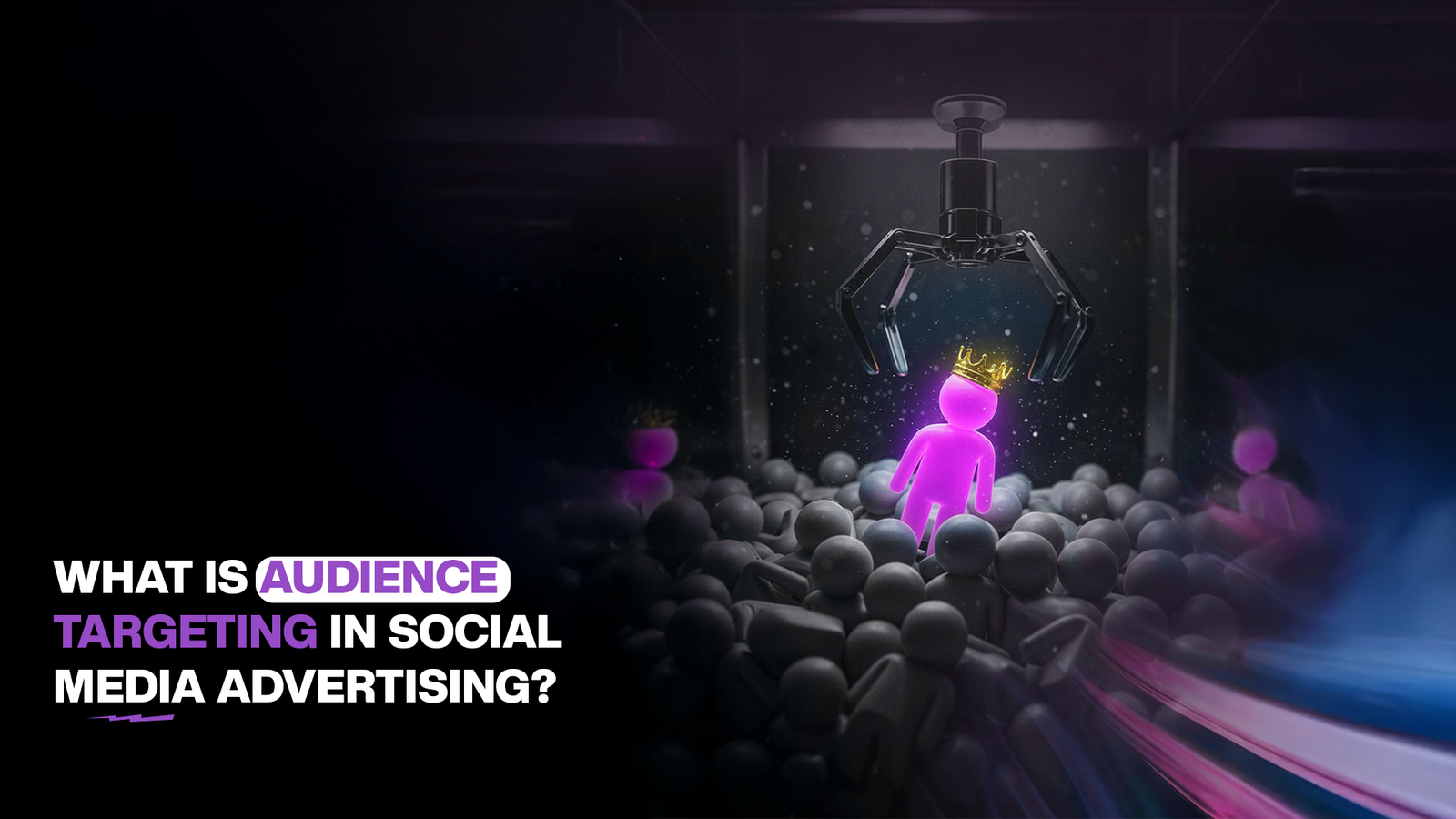
What Is Audience Targeting in Social Media Advertising?
Audience targeting is the process of defining who will see your ads based on specific characteristics and behaviors. These criteria help ensure your ads reach users who are most likely to engage, convert, or develop brand affinity.
Types of Audience Targeting
Broad Targeting
Broad targeting allows platforms to optimize delivery automatically. It works best for:
- Awareness campaigns
- Brands with strong creatives
- Testing new markets
However, without strong messaging, broad targeting can lead to inefficient spending.
Precise (Narrow) Targeting
Precise targeting focuses on users with specific attributes:
- Clear intent
- Relevant interests
- Prior interaction with the brand
This approach is ideal for conversion-focused campaigns and delivers higher ROI when executed correctly.
The key is balance, knowing when to expand reach and when to focus tightly.
Why Reaching the Right Audience Determines Campaign Success
Social media users scroll fast. They decide whether to engage with an ad in seconds. If the ad doesn’t feel relevant immediately, it’s ignored.
Precise audience targeting directly impacts:
- Engagement Rates: Relevant ads feel natural in the feed.
- Advertising Costs: Platforms reduce costs for ads that users interact with.
- Conversion Rates: Users who see value are more likely to act.
- Brand Trust: Ads that resonate feel helpful rather than intrusive.
Poor targeting, on the other hand, leads to ad fatigue, negative feedback, and rising costs.
Understanding Audience Intent: Awareness vs Conversion
Not all audiences are at the same stage of the customer journey.
Top-of-Funnel Audiences
- Discovering the brand
- Not ready to buy
- Best targeted with educational or inspirational content
Middle-of-Funnel Audiences
- Comparing options
- Engaging with content
- Ideal for value-driven messaging
Bottom-of-Funnel Audiences
- High intent
- Ready to convert
- Best targeted with strong offers or retargeting
Successful campaigns align audience intent with the right message at the right time.
Building a High-Performance Buyer Persona
A buyer persona is not a guess; it’s a strategic asset built on data.
Demographic Insights
Demographics provide the structural framework:
- Age range
- Gender
- Location
- Income level
- Education and profession
These insights help determine platforms, tone, and formats.
Psychographic Insights
Psychographics explain motivations:
- Goals and aspirations
- Pain points
- Personal values
- Lifestyle choices
Ads that connect emotionally outperform those that only sell features.
Behavioral Insights
Behavior reveals intent:
- Website visits
- Purchase behavior
- Ad engagement
- Content interaction
When personas combine all three layers, targeting becomes precise and effective.
Social Media Targeting Tools That Drive Results
Modern platforms offer advanced targeting capabilities:
Core Targeting
- Demographics
- Interests
- Behaviors
Custom Audiences
Used to target:
- Website visitors
- Email subscribers
- Past customers
Custom audiences deliver high relevance and lower costs.
Lookalike Audiences
These help scale success by finding users similar to your best customers—ideal for growth-focused campaigns.
Retargeting Campaigns
Retargeting focuses on users who showed interest but didn’t convert. These campaigns often deliver the highest ROI.
The Role of Data, Testing, and Optimization
Audience targeting is dynamic. What works today may not work tomorrow.
Key Metrics to Monitor
- Click-through rate (CTR)
- Conversion rate
- Cost per acquisition (CPA)
- Return on ad spend (ROAS)
A/B Testing Audiences
Testing different audience segments helps identify:
- High-intent groups
- Creative-audience fit
- Scaling opportunities
Optimization ensures campaigns improve over time instead of plateauing.
Common Audience Targeting Mistakes That Hurt Performance
Even strong campaigns can fail due to targeting errors:
- Targeting everyone instead of someone specific
- Over-segmenting audiences
- Ignoring performance data
- Reusing outdated audiences
- Not refreshing creatives for the same audience
Avoiding these mistakes keeps campaigns efficient and scalable.
Industry-Specific Audience Targeting Examples
Small & Local Businesses
Local targeting based on location, interests, and lifestyle drives foot traffic and awareness.
E-Commerce Brands
Lookalike audiences and retargeting maximize sales efficiency.
Service-Based Companies
Targeting by job title, industry, and business needs improves lead quality.
These examples show that targeting is universal, but execution varies by business model.
How Audience Targeting Shapes Creative Strategy
Audience insights guide:
- Visual style
- Messaging tone
- Content format
- Value propositions
Great ads don’t speak to everyone; they speak clearly to someone.
Final Thoughts: Precision Is the Real Competitive Advantage
In social media advertising, success is not about spending more; it’s about targeting better. Brands that master audience targeting:
- Reduce wasted budget
- Improve conversion rates
- Build stronger relationships
- Achieve sustainable growth
Precision transforms advertising from guesswork into strategy.
Ready to Reach the Right Audience?
At Asia Advertising, we help brands identify, analyze, and target the right audiences through data-driven social media strategies designed to maximize engagement, conversions, and long-term ROI.